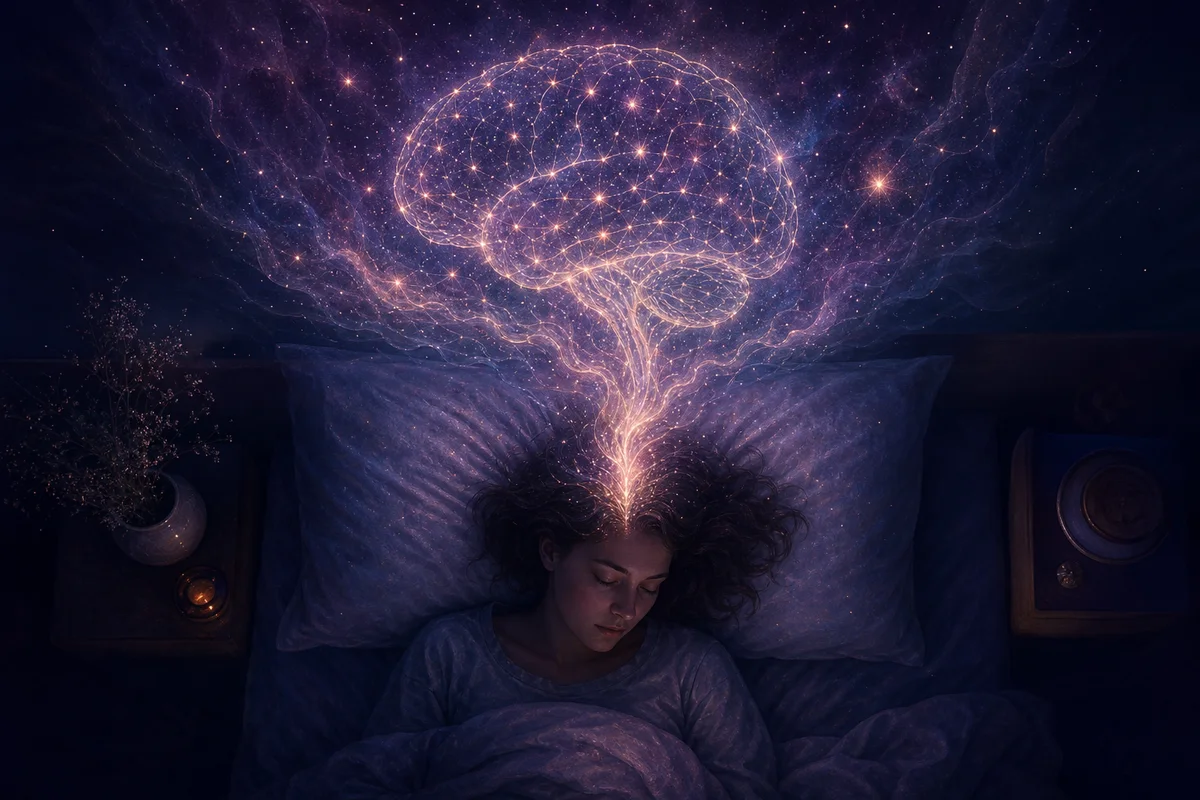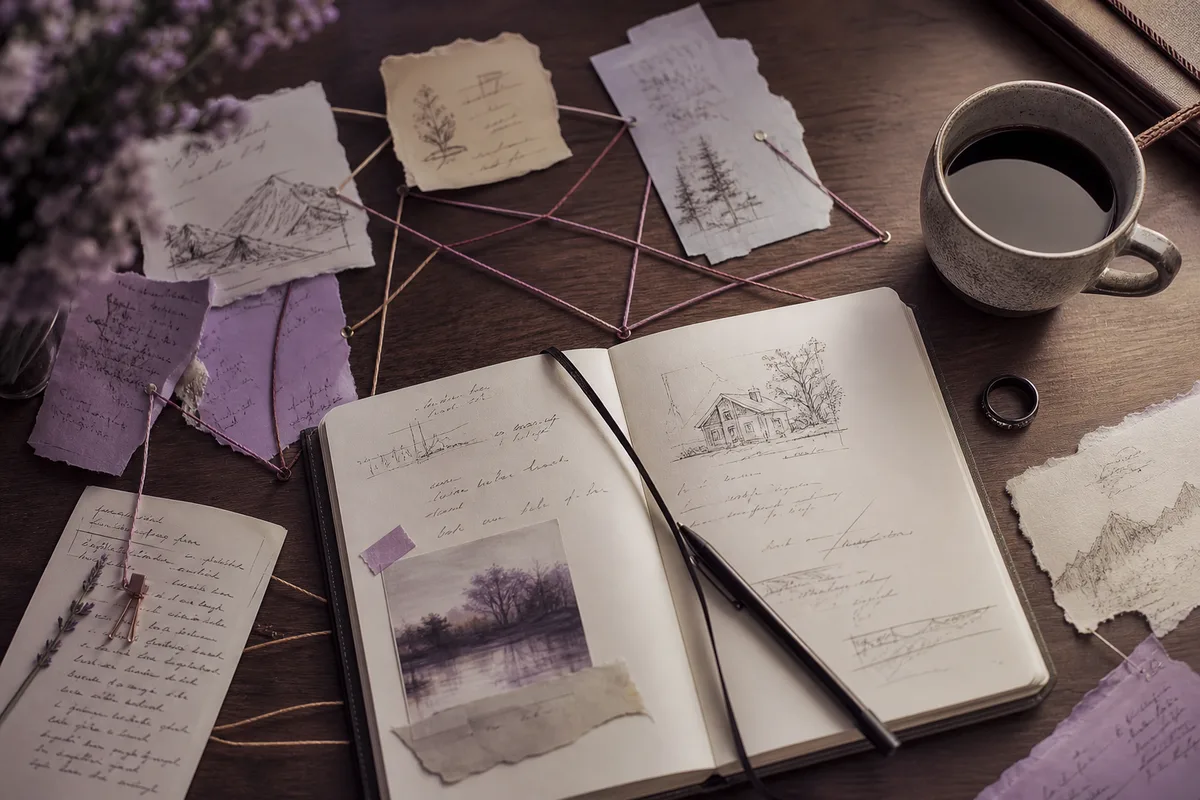
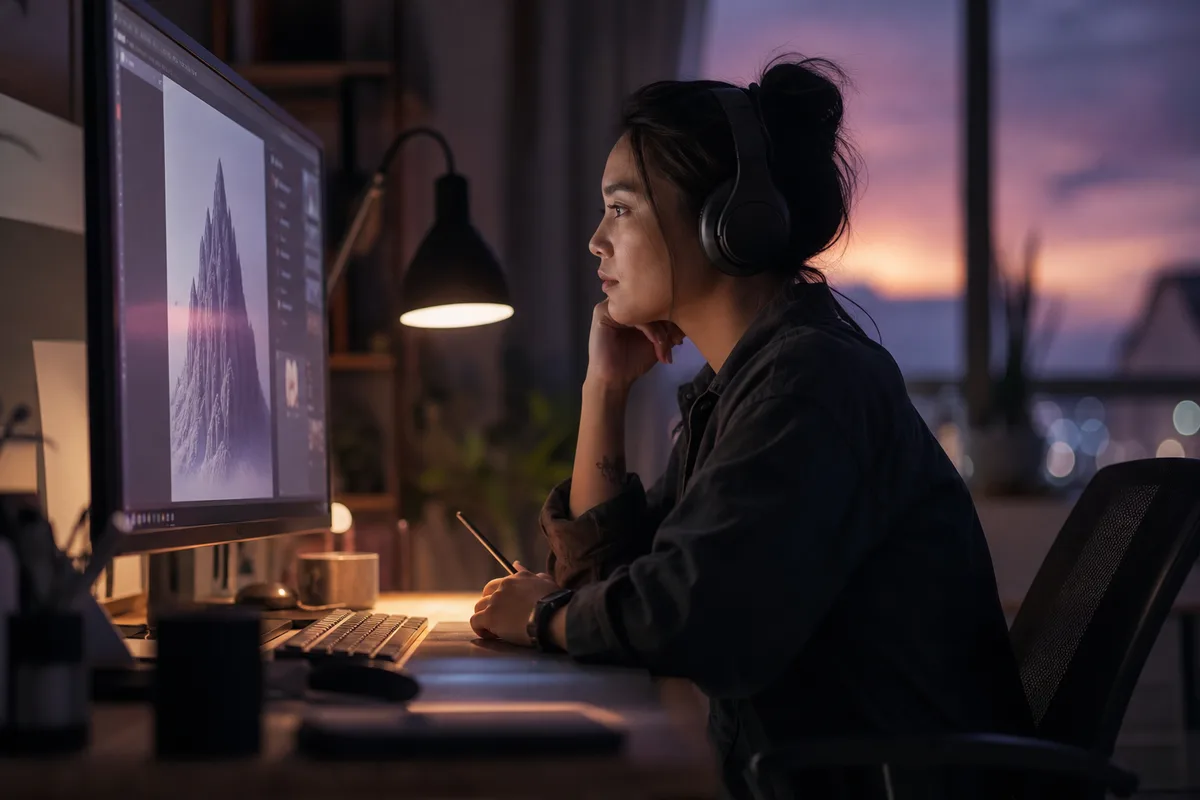
We take a person's state, the connection of ideas, and the realisation of action as the design goals of both product and research.
Flow is the state of being fully absorbed in the present activity: attention is highly concentrated, thought and action are closely linked, the sense of time often changes, and the activity itself brings satisfaction. Clear goals, timely feedback and a match between challenge and ability usually favour this experience.[10] For creators, flow provides a continuous space of attention in which ideas can develop, be tested and refined; frequent task switching can leave attention lingering on earlier unfinished work and make this absorption harder to sustain.[11]
Care for the creator. Respect people's attention, rest rhythms and real needs; reduce unnecessary interruption; support people in understanding and expressing their state.
Keep room for connection. Use tools to support recording, retrieval and organisation, connecting experience, material and candidate directions, while users keep the room for aesthetic judgement, exploration and reframing the problem.
Let ideas enter practice. Support task breakdown, collaboration, testing and feedback, so users can understand progress, revise direction, and keep the final say over important actions.
These design goals serve one mission: to make people more able to love, to trust, and to keep creating their own life.